Short answer
The Hierophant represents tradition, shared values and learning from others in tarot. The card asks which beliefs and agreements give direction to your choices.
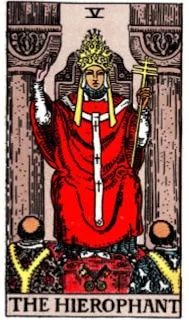
Upright meaning
Upright, The Hierophant suits education, guidance and belonging to a community. Seek knowledge that helps you understand why things are done a certain way.
Reversed meaning
Reversed, the card may reflect restrictive rules or finding your own path. Examine which customs still serve a purpose and which no longer fit.
The Hierophant in love
In love, the card concerns shared values and the meaning of commitment. Discuss expectations rather than assuming you define a relationship in the same way.
The Hierophant and career
At work, The Hierophant can symbolize a mentor, training or an established method. Learn the reasoning behind a rule before following or changing it.
The Hierophant and money
For money, the symbolism concerns inherited habits and received advice. An approach being conventional does not automatically make it right for your circumstances.
The Hierophant as a daily card
Ask someone about their experience or read something that broadens your understanding today. Learning does not require accepting every idea unchanged.
Yes or no?
A leaning toward yes when a choice fits your values and clear agreements. Not when you agree only because it is expected.
Frequently asked questions
Is The Hierophant also called The High Priest?
Yes, in some decks. Both names can refer to this card of tradition, teaching and spiritual or social guidance.
Does The Hierophant predict marriage?
No. Commitment is a possible theme, but the card cannot establish that a wedding will happen. It can prompt a conversation about shared expectations.
These texts are original, contemporary interpretations of tarot as symbolic reflection. Meanings, reversals and yes-or-no readings vary between traditions. Historical background for Rider-Waite-Smith symbolism: A. E. Waite, The Pictorial Key to the Tarot.